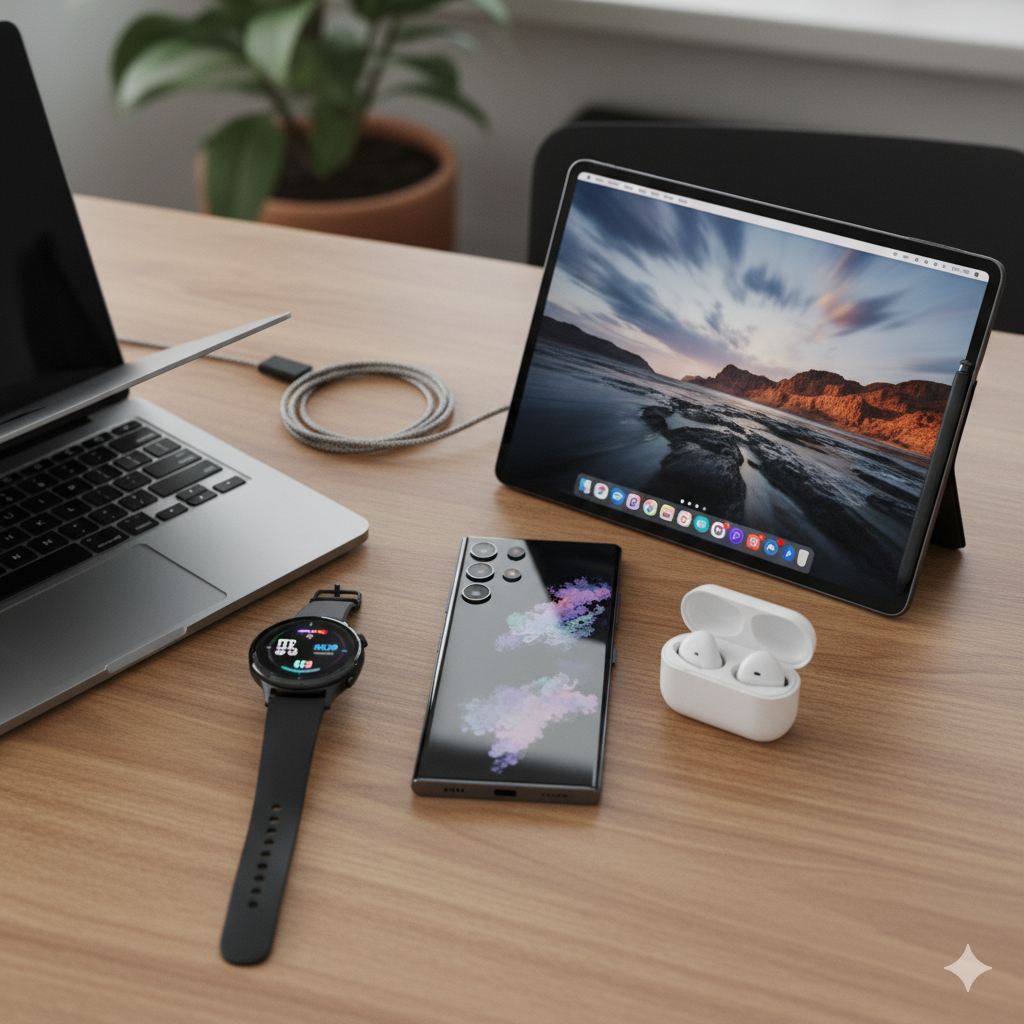
The much-awaited festive season is just around the corner, and with it comes some of the biggest shopping events of the year — Flipkart Big Billion Days and Amazon Great Indian Festival — starting around September 22nd and 23rd. For all Samsung fans and tech lovers, this is the perfect time to grab fantastic deals on a wide range of Samsung products, from smartphones and tablets to wearables and accessories. To make it easier for you to catch these amazing offers, I’ve put together 15 plus fantastic Deals that you simply can’t miss. Whether it’s the latest Galaxy smartphones, powerful tablets, or stylish wearables, these sales are an opportunity to get your favorite Samsung devices at unbeatable prices. Stay tuned and make sure you don’t miss out on these limited-time offers to upgrade your tech collection this festive season with the best discounts.
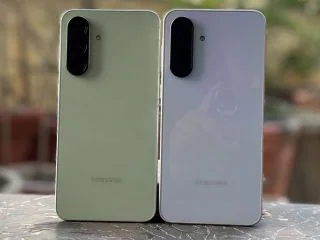
Samsung Galaxy M06 Samsung Galaxy F06
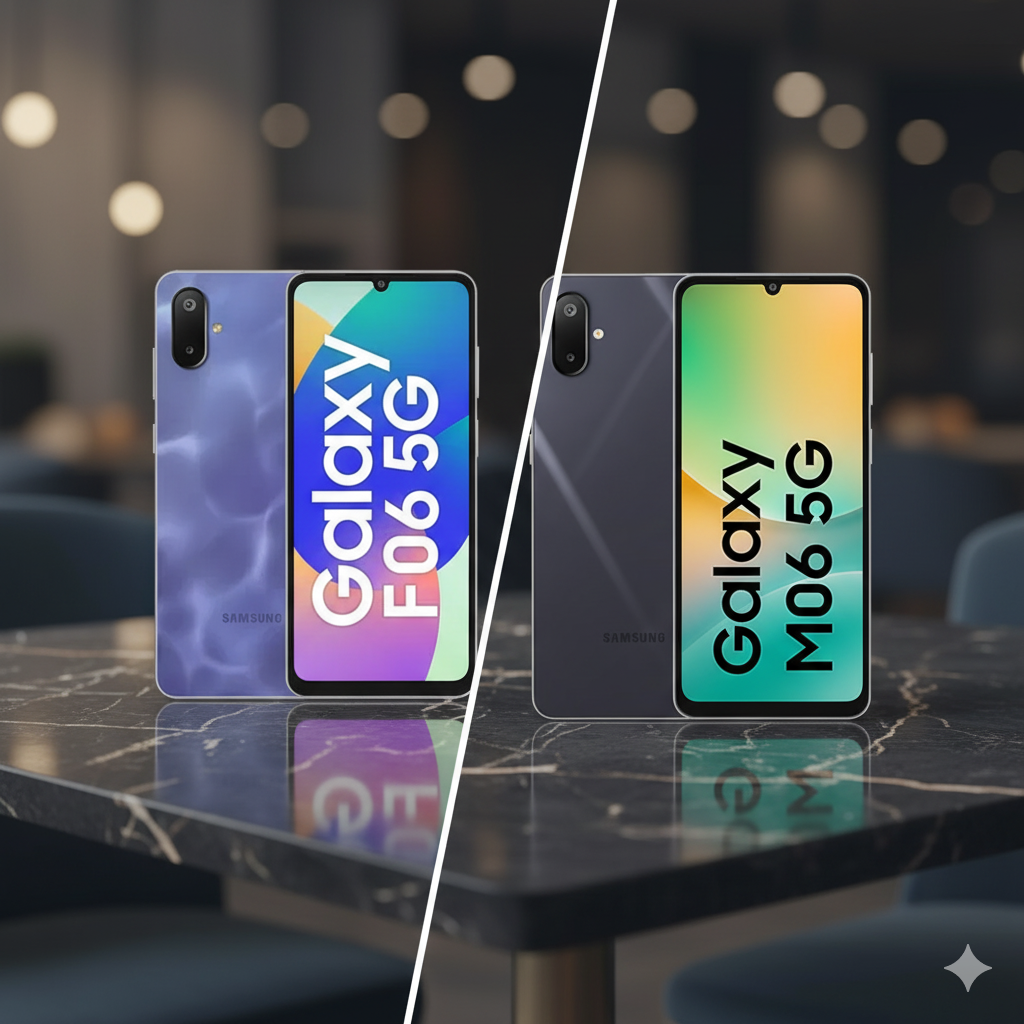
- Price: Around ₹7,499 during festive sales like Flipkart Big Billion Days and Amazon Great Indian Festival
- Display: 6.74-inch HD+ PLS LCD, 720×1600 pixels, 90Hz refresh rate
- Processor: MediaTek Dimensity 6300, Octa-core (2×2.4 GHz Cortex-A76 & 6×2.0 GHz Cortex-A55)
- RAM & Storage: 4GB / 6GB RAM with 64GB / 128GB storage, expandable via microSD up to 1.5TB
- Rear Camera: Dual setup – 50MP main + 2MP depth sensor
- Front Camera: 8MP or 13MP depending on model
- Battery: 5000mAh with 25W fast charging support
- Security: Side-mounted fingerprint sensor and face unlock
- Operating System: Android 15 with One UI Core 7.0
- Connectivity: 5G, Wi-Fi 802.11ac, Bluetooth 5.3, USB-C
- Colors: Blazing Black, Sage Green
Samsung Galaxy M16

- Price: Around ₹10,999 during festive sales like Amazon Great Indian Festival
- Display: 6.7-inch Super AMOLED, Full HD+ (1080×2340), 90Hz refresh rate
- Processor: MediaTek Dimensity 6300, Octa-core (2×2.4 GHz Cortex-A76 & 6×2.0 GHz Cortex-A55)
- RAM & Storage: 4GB / 6GB / 8GB RAM with 128GB internal storage, expandable via microSD up to 1.5TB
- Rear Camera: Triple setup – 50MP main + 5MP ultra-wide + 2MP macro
- Front Camera: 13MP
- Battery: 5000mAh with 25W fast charging
- Security: Side-mounted fingerprint sensor
- Operating System: Android 15 with One UI 7
- Connectivity: 5G, Wi-Fi 802.11ac, Bluetooth 5.3, USB-C
- Weight: 191 g
- Colors: Thunder Black, Mint Green, Blush Pink
Samsung Galaxy M36
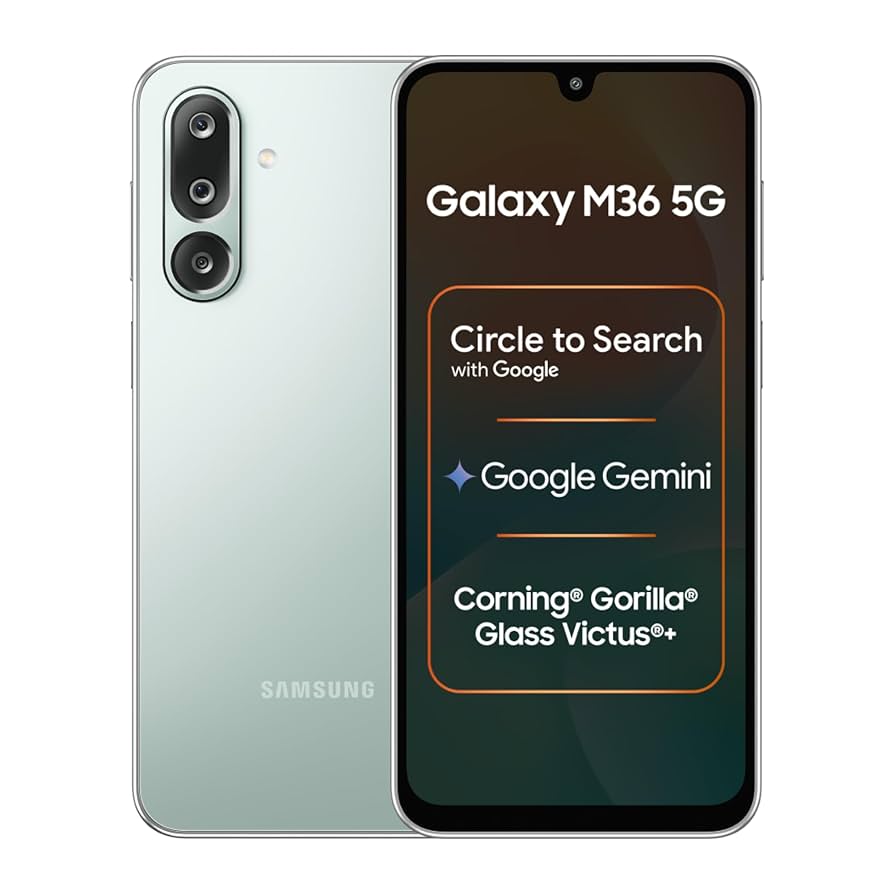
- Price: Around ₹13,999 during festive sales like Flipkart Big Billion Days and Amazon Great Indian Festival
- Display: 6.7-inch Full HD+ Super AMOLED, 120Hz refresh rate
- Processor: Samsung Exynos 1380
- RAM & Storage: 6GB / 8GB RAM with 128GB / 256GB storage
- Rear Camera: 50MP main + 8MP ultra-wide + 2MP macro
- Front Camera: 13MP
- Battery: 5000mAh with 25W fast charging
- Operating System: Android 15 with One UI 7
- Security: In-display fingerprint sensor
- Connectivity: 5G, Wi-Fi, Bluetooth 5.3, USB-C
- Colors: Orange Haze, Serene Green, Velvet Black
Samsung Galaxy A35
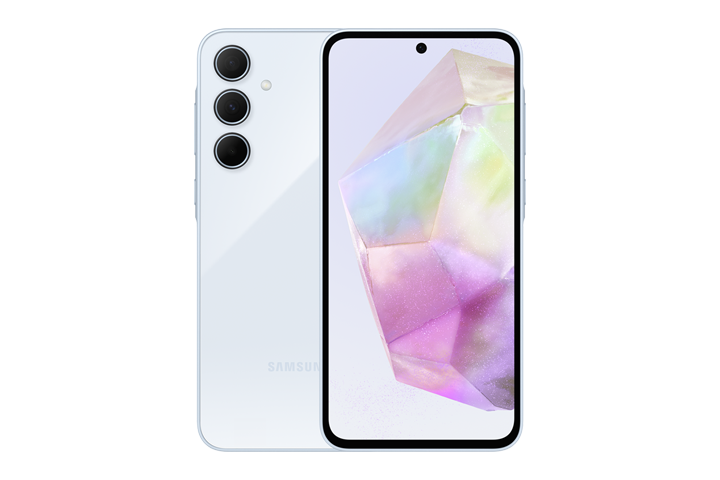
- Price: ₹16,999 during Flipkart Big Billion Day sale
- Display: 6.6-inch Full HD+ Super AMOLED, 120Hz refresh rate
- Processor: Samsung Exynos 1380 Octa-core
- RAM & Storage: 8GB RAM with 128GB / 256GB storage, expandable via microSD
- Rear Camera: Triple – 50MP main + 8MP ultra-wide + 5MP depth
- Front Camera: 13MP
- Battery: 5000mAh with 25W fast charging
- Operating System: Android 14 with One UI 6
- Security: Under-display fingerprint sensor
Samsung Galaxy A55

- Price: Around ₹23,999 during festive sales like Amazon Great Indian Festival
- Display: 6.6-inch Super AMOLED, Full HD+ (1080×2340), 120Hz refresh rate
- Processor: Samsung Exynos 1480 Octa-core (2.75 GHz + 2 GHz)
- RAM & Storage: 8GB / 12GB RAM, 128GB / 256GB storage, expandable via microSD
- Rear Camera: Triple – 50MP main + 12MP ultra-wide + 5MP macro
- Front Camera: 32MP
- Battery: 5000mAh with 25W fast charging
- Operating System: Android 14 with One UI 6
- Security: Under-display fingerprint sensor
- Build: Metal frame with Gorilla Glass Victus+
- Weight: 213 g
- IP67 dust and water resistance
Samsung Galaxy S24 FE
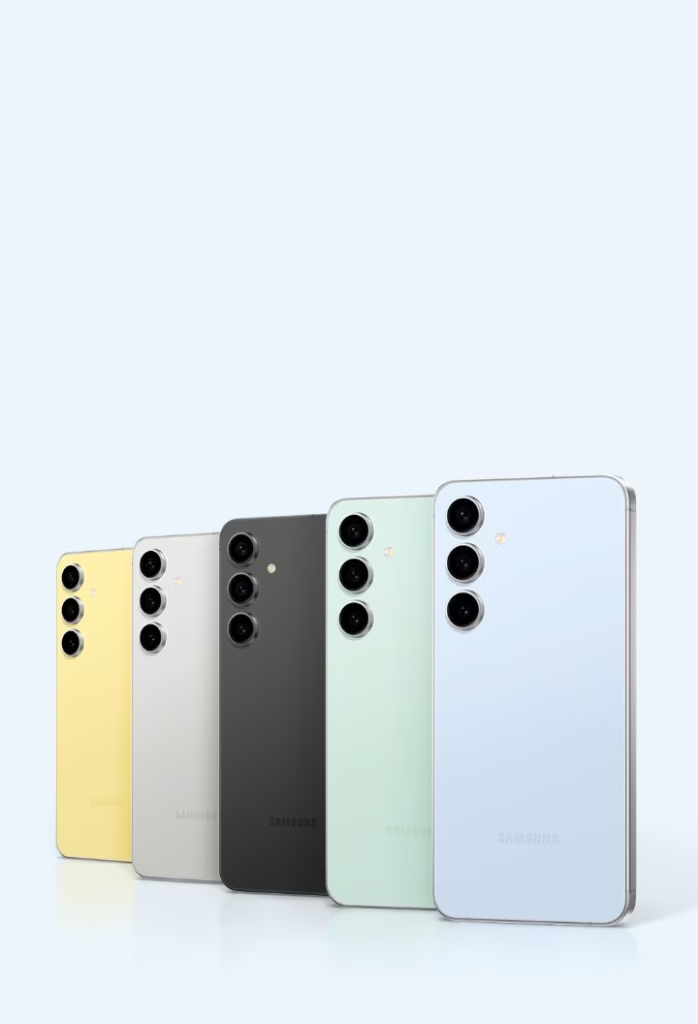
- Price: ₹29,999 during Flipkart Big Billion Day sale
- Display: 6.7-inch FHD+ Dynamic AMOLED 2X, 120Hz refresh rate
- Processor: Samsung Exynos 2400e Deca-core
- RAM & Storage: 8GB RAM with 128GB or 256GB storage
- Rear Camera: Triple – 50MP + 12MP + 8MP
- Front Camera: 10MP
- Battery: 4700mAh with 25W fast charging
- Operating System: Android 14 with One UI 6.1
- Security: In-display optical fingerprint sensor
- IP68 dust and water resistance
- Weight: 213g
Samsung Galaxy S24

- Price: ₹39,999 during Flipkart Big Billion Day sale
- Display: 6.2-inch Dynamic AMOLED 2X, Full HD+ (2340×1080), 120Hz refresh rate
- Processor: Samsung Exynos 2400 Deca-core (3.2 GHz + 2.9 GHz + 2.6 GHz + 1.95 GHz)
- RAM & Storage: 8GB RAM with 128GB, 256GB, or 512GB storage
- Rear Camera: Triple – 50MP + 12MP + 10MP, with OIS and up to 30x digital zoom
- Front Camera: 12MP with autofocus
- Battery: 4000mAh with 25W fast charging
- Operating System: Android 14 with One UI
- Security: In-display fingerprint sensor
- Weight: 167 g
- IP68 dust and water resistance
Samsung Galaxy S24 Ultra
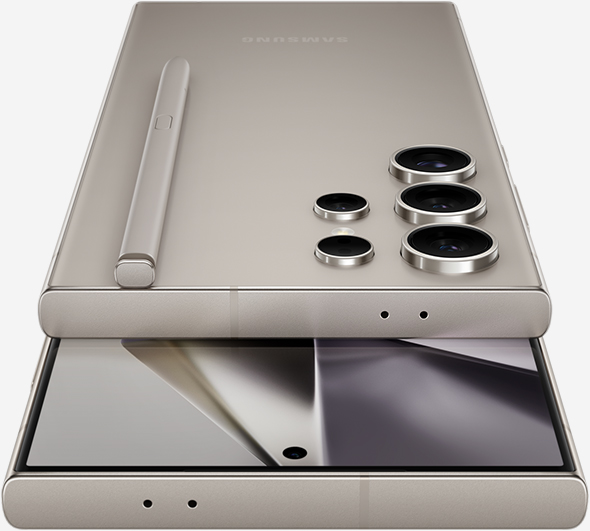
- Price: Around ₹71,999 during festive sales like Amazon Great Indian Festival
- Display: 6.8-inch Dynamic AMOLED 2X, QHD+ (3120×1440), 120Hz refresh rate
- Processor: Qualcomm Snapdragon 8 Gen 3 octa-core
- RAM & Storage: 12GB RAM with 256GB, 512GB, or 1TB storage
- Rear Camera: Quad – 200MP main + 12MP ultra-wide + 50MP telephoto + 10MP telephoto
- Front Camera: 12MP
- Battery: 5000mAh with 45W fast charging and wireless charging
- Operating System: Android 14 with One UI 6.1
- Security: In-display fingerprint sensor
- Build: Titanium frame with Gorilla Glass Armor front and back
- IP68 dust and water resistance
- Weight: 232g
Samsung Galaxy Tab A9+
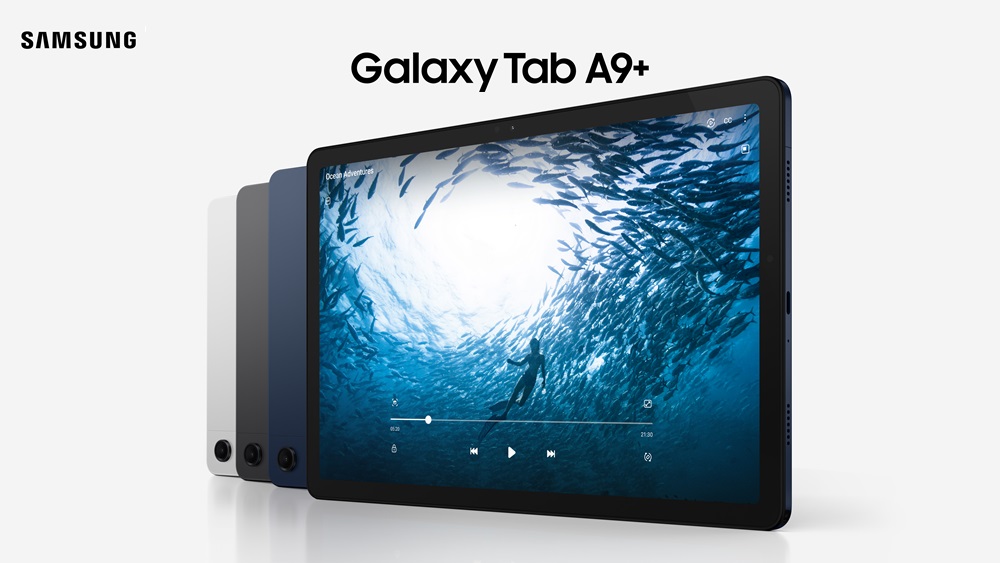
- Price: Around ₹13,999 during festive sales like Flipkart Big Billion Days and Amazon Great Indian Festival
- Display: 11-inch TFT LCD, 1200 x 1920 pixels, 90Hz refresh rate
- Processor: Qualcomm Snapdragon 695 5G
- RAM & Storage: 4GB/8GB RAM, 64GB/128GB/256GB storage, expandable via microSD up to 1TB
- Rear Camera: 8MP, autofocus
- Front Camera: 5MP
- Battery: 7040mAh, 15W fast charging
- Operating System: Android 13 (upgradable to Android 15), One UI 7
- Connectivity: Wi-Fi, 5G/LTE (on cellular models), Bluetooth 5.1, USB Type-C, 3.5mm jack
- Speakers: Quad stereo speakers
- Build: Metal body, 6.9mm thickness, 480-492g weight
- Colors: Graphite, Silver, Navy
Samsung Galaxy Tab S9

- Price: Around ₹34,999 during festive sales like Flipkart Big Billion Days and Amazon Great Indian Festival
- Display: 11-inch Dynamic AMOLED 2X, 2560×1600 pixels, 120Hz refresh rate
- Processor: Qualcomm Snapdragon 8 Gen 2
- RAM & Storage: 8GB/12GB RAM, 128GB/256GB storage, microSD expandable
- Rear Camera: 13MP with autofocus
- Front Camera: 12MP ultra-wide
- Battery: 8,400mAh with 45W fast charging
- Operating System: Android 13 (upgradable to Android 15), One UI 7
- S Pen: Support with IP68 rating included in box
- Connectivity: Wi-Fi/5G, Bluetooth 5.3, USB Type-C
- Build: IP68 water and dust resistant, aluminum frame, 5.9mm thin, 498g weight
- Security: In-display fingerprint sensor
- Colors: Graphite, Beige
Samsung Galaxy Tab S9 FE

- Price: Around ₹19,999-₹24,999during festive sales like Flipkart Big Billion Days and Amazon Great Indian Festival
- Display: 10.9-inch TFT, 2304 x 1440 pixels, 90Hz refresh rate
- Processor: Samsung Exynos 1380, octa-core
- RAM & Storage: 6GB/8GB RAM, 128GB/256GB storage, microSD up to 1TB
- Rear Camera: 8MP
- Front Camera: 12MP ultra-wide
- Battery: 8000mAh, 45W fast charging
- Operating System: Android 13, One UI 5.1 (upgradable to Android 15)
- Connectivity: Wi-Fi, 5G (on select models), Bluetooth 5.3, USB Type-C
- Stylus: S Pen support, IP68 rated
- Security: Side-mounted fingerprint sensor
- Build: Glass front, aluminum frame and back, 6.5mm thick, 523–524g
- Colors: Mint, Silver, Gray, Lavender
Samsung Galaxy Watch7
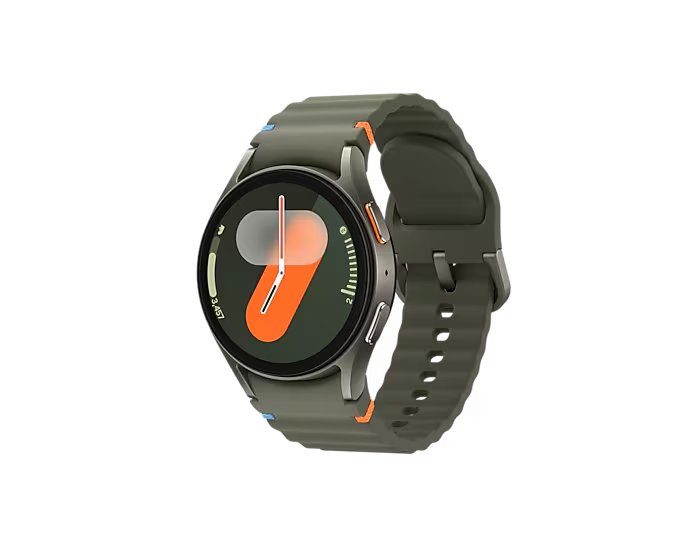
- Price: ₹13,999 during Flipkart Big Billion Day sale
- Display: 1.31″ (40mm) / 1.47″ (44mm), Sapphire crystal, Always-on
- Processor: Exynos W1000 (5-core, 3nm)
- RAM & Storage: 2GB RAM, 32GB internal storage
- Battery: 300mAh (40mm) / 425mAh (44mm), fast wireless charging
- OS: Wear OS 5 (One UI Watch 6)
- Sensors: BioActive Sensor (HR, SpO2, ECG, BIA), temperature, accelerometer, barometer, gyro, light, geomagnetic
- GPS: Dual-frequency (L1+L5), A-GPS, GLONASS, Beidou, Galileo
- Connectivity: LTE (optional), Bluetooth 5.3, Wi-Fi, NFC
- Build: Aluminum, IP68 + 5ATM, MIL-STD-810H
- Key features: Advanced health/fitness tracking, AI insights, 13-LED sensor array, new AGEs Index metric
- Colors: Green, Silver, Cream
Samsung Galaxy Watch6

- Price: Around ₹11,999 during festive sales like Amazon Great Indian Festival
- Display: 1.3″ (40mm) / 1.5″ (44mm) Super AMOLED, Always-on, Sapphire crystal
- Processor: Exynos W930 (dual-core 1.4GHz)
- RAM & Storage: 2GB RAM, 16GB storage
- Battery: 300mAh (40mm) / 425mAh (44mm), wireless charging
- OS: Wear OS 4 (One UI Watch 5)
- Sensors: BioActive (HR, SpO2, ECG, BIA), temp, accelerometer, barometer, gyro, light, compass
- Connectivity: LTE (optional), Bluetooth 5.3, Wi-Fi, NFC, GPS
- Build: 5ATM + IP68, MIL-STD-810H, aluminum case
- Health: Sleep/Fitness tracking, AFib, SpO2, menstrual tracking
- Colors: Graphite, Silver, Gold
Samsung Galaxy Book4

- Price: ₹33,999 during Flipkart Big Billion Day sale
- Display: 15.6-inch Full HD (1920×1080) IPS LCD
- Processor: 13th Gen Intel Core i5 / i7 options
- RAM & Storage: 8GB / 16GB RAM, 512GB / 1TB SSD storage
- Graphics: Integrated Intel UHD / Intel Xe Graphics
- Operating System: Windows 11
- Ports: HDMI 2.1, 2x USB-A, 2x USB-C, microSD slot, RJ45 LAN port
- Battery: Long-lasting with fast charging support
- Build: Full metal body, lightweight at 1.55 kg
- Features: Fingerprint reader, Dolby Atmos stereo speakers, Wi-Fi 7, Bluetooth 5.4
- Color: Gray
Samsung Galaxy Buds3 FE

- Price: Around ₹8,999 during festive sales like Amazon Great Indian Festival
- Active Noise Cancellation (ANC)
- 11mm dynamic driver for deep bass
- Up to 6 hours playback (ANC on), 8.5 hours (ANC off)
- Total 24 to 30 hours with charging case
- Bluetooth 5.4 with multi-device support
- IP54 dust and water resistance
- Galaxy AI integration for voice assistant and real-time translation
- Touch and swipe controls
- Colors: Black, Gray
Samsung Galaxy Buds3 Pro

- Price: Around ₹11,999 during festive sales like Amazon Great Indian Festival
- Dual-driver (woofer + tweeter) for rich sound
- Active Noise Cancellation (ANC) with adaptive noise control
- 6 microphones for clear calls
- Battery life: Up to 6 hours (buds), 18-30 hours with case
- Bluetooth 5.4, IPX7 water resistance
- AI-powered sound optimization with Adaptive EQ
- Touch and swipe controls
Samsung Galaxy Buds Core

- Price: Around ₹3,499 during festive sales like Amazon Great Indian Festival
- Active Noise Cancellation (ANC)
- 12mm dynamic driver for rich bass
- 3 mics per earbud for clear calls
- Up to 35 hours total playback (with charging case)
- Bluetooth 5.4 with Samsung Seamless Codec
- IP54 dust and water resistance
- Galaxy AI integration with real-time voice translation
- Touch controls for easy playback and volume
- Comfortable wingtip design
Samsung Galaxy S24U : https://www.amazon.in/dp/B0CS5XW6TN Samsung Galaxy S24: https://www.flipkart.com/samsung-gala… Samsung Galaxy S24FE: https://www.flipkart.com/samsung-gala… Samsung Galaxy A35: https://www.flipkart.com/samsung-gala… Samsung Galaxy A55 https://www.amazon.in/dp/B0CWPC2W5V Samsung Galaxy M36 : https://www.amazon.in/dp/B0FDB765TN Samsung Galaxy M06 : https://www.amazon.in/dp/B0F3X4R33R Samsung Galaxy M16 : https://www.amazon.in/dp/B0DX6QQMGK Samsung Galaxy Fold6 : https://www.amazon.in/dp/B0D841Z76B Samsung Galaxy F06: https://www.flipkart.com/samsung-gala… Samsung Galaxy F16: https://www.flipkart.com/samsung-gala… Samsung Galaxy F36: https://www.flipkart.com/samsung-gala…




[…] Samsung Sale Alert: Top 15+ Deals to Grab Now […]
Your article helped me a lot, is there any more related content? Thanks! https://www.binance.com/register?ref=IHJUI7TF
I don’t think the title of your article matches the content lol. Just kidding, mainly because I had some doubts after reading the article.
Can you be more specific about the content of your article? After reading it, I still have some doubts. Hope you can help me.